
Why Buyers Choose New Homes
Why Buyers Choose New Homes
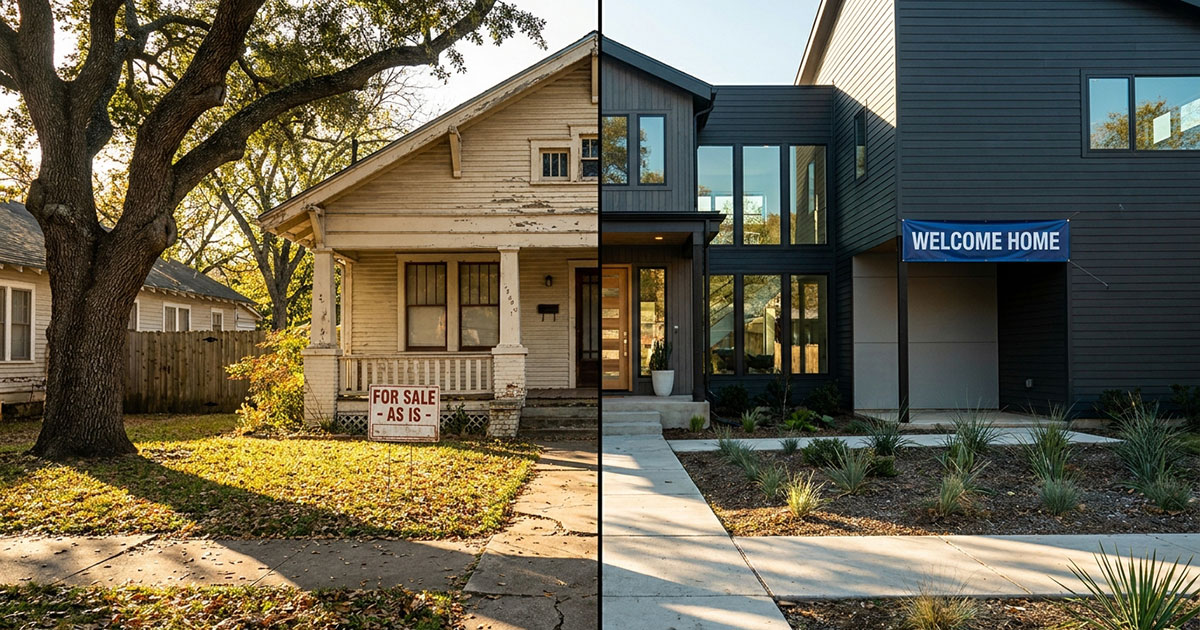
As the U.S. housing market faces shifting dynamics, newly constructed homes have emerged as a secret weapon for savvy buyers and a critical challenge for traditional sellers. Driven by aggressive builder incentives and competitive pricing, new builds are reshaping the real estate landscape, offering financial advantages that resale properties simply cannot match in today’s high-rate economy.
The Paradigm Shift in Modern Housing
The traditional American real estate market is undergoing a profound transformation, moving away from the frantic bidding wars that defined the pandemic era toward a highly calculated environment dominated by structural supply changes. For years, the secondary or resale housing market held an undeniable monopoly on buyer attention due to established neighborhoods and historical charm. However, persistent inventory constraints combined with elevated mortgage rates have caused potential buyers to hit a financial wall, forcing them to look beyond conventional listings. In this new landscape, homebuilders have aggressively stepped into the spotlight, transforming what was once a niche segment of the market into a dominant force. According to the latest housing data, new construction now accounts for an unprecedented share of single-family homes available for purchase nationwide. This surge in volume is not just a statistical anomaly; it represents a fundamental pivot in consumer preference and market availability, shifting the leverage away from individual homeowners toward corporate developers who possess the capital and scale to meet modern consumer demands.
The Financial Arsenal of Homebuilders
The primary mechanism driving this shift is the sophisticated financial engineering that large-scale developers are utilizing to attract buyers who have been priced out of the resale market. While individual sellers are often emotionally attached to their properties and limited by their personal financial margins, corporate builders operate on volume and can afford to offer sweeping financial concessions. The most potent tool in their current arsenal is the mortgage rate buydown, a mechanism where the builder pays an upfront fee to lower the buyer’s interest rate for the first few years or even the entire life of the loan. In an environment where standard thirty-year fixed mortgage rates fluctuate stubbornly, builders are routinely offering subsidized rates that are significantly below the market average. Additionally, developers are bundling these rate advantages with substantial credits toward closing costs, design center upgrades, and extended structural warranties. These integrated financial packages effectively insulate buyers from the immediate sting of high interest rates, lowering the barrier to entry and reducing the total out-of-pocket cash required at the closing table.
The Pricing Paradox and Competitive Edge
A fascinating paradox has emerged within the current U.S. real estate market regarding the pricing relationship between old and new properties. Historically, brand-new construction commanded a significant premium over existing homes, reflecting the value of modern materials, untouched living spaces, and contemporary building codes. Today, however, intensive competition and optimized construction techniques have caused the median price of newly built homes to experience a noticeable downward correction, narrowing the price gap with the resale market to historic lows. Builders have adapted to affordability pressures by constructing slightly smaller footprints, utilizing efficient prefabricated components, and purchasing land in bulk. This strategic pivot allows them to offer a pristine, never-lived-in product at a price point that directly competes with, and sometimes undercuts, nearby existing homes that may require immediate, expensive renovations. For the modern consumer, the value proposition has shifted dramatically, making the prospect of purchasing a fresh home with predictable expenses far more enticing than acquiring an older property laden with deferred maintenance liabilities.
The Dilemma for Traditional Resale Sellers
This surge in new construction popularity has created a highly challenging environment for individual homeowners looking to sell their properties. For the past several years, secondary market sellers enjoyed immense leverage, often listing their homes in as-is condition and expecting buyers to waive inspections or pay cash over appraisal values. Now, these individual sellers are finding themselves in direct competition not just with their neighbors, but with well-funded national homebuilders who maintain dedicated marketing teams and infinite staging resources. An existing home that requires a new roof, an updated HVAC system, or cosmetic modernization faces a steep uphill battle when a buyer can walk down the street and purchase a turn-key property with a subsidized mortgage rate. To remain competitive in this evolving ecosystem, traditional sellers must abandon outdated expectations of a guaranteed bidding war and adopt a hyper-realistic approach to pricing and negotiations. Properties must be presented in pristine condition, and sellers must be prepared to offer their own concessions, such as price reductions or repair credits, to offset the aggressive incentives being offered by the new construction sector.
A New Balanced Horizon
The ascent of new construction as a dominant market force is ultimately guiding the U.S. housing sector toward a healthier, more sustainable equilibrium. By rapidly injecting fresh inventory into a starved market, homebuilders have successfully mitigated the runaway home price appreciation that threatened to completely alienate a generation of potential homeowners. Buyers now possess unprecedented leverage and choices, allowing them to carefully weigh the long-term financial benefits of builder subsidized financing against the geographic advantages of established resale neighborhoods. Meanwhile, traditional sellers are being forced to recalibrate their strategies, ensuring that the secondary market remains grounded in realistic valuations and fair property conditions. As these two sectors continue to compete for a limited pool of qualified buyers, the entire real estate landscape benefits from increased transaction transparency, improved housing quality, and a much-needed normalization of purchasing dynamics across the country.

Alfonso T Rodriguez
America Realty
1027 Alameda de las Pulgas Redwood City, CA 94061
Email: alfonso@alfonsorodriguez.com
Phone: (650) 868-9359
I take the time to listen carefully to understand my client’s needs, wants and concerns. I will be ready to take quick action when required and spend more time with those who aren’t quite sure which direction to take. My genuine concern for my client’s best interests and happiness ensures the job is done!